Middle Age Fitness Prevents Heart Disease

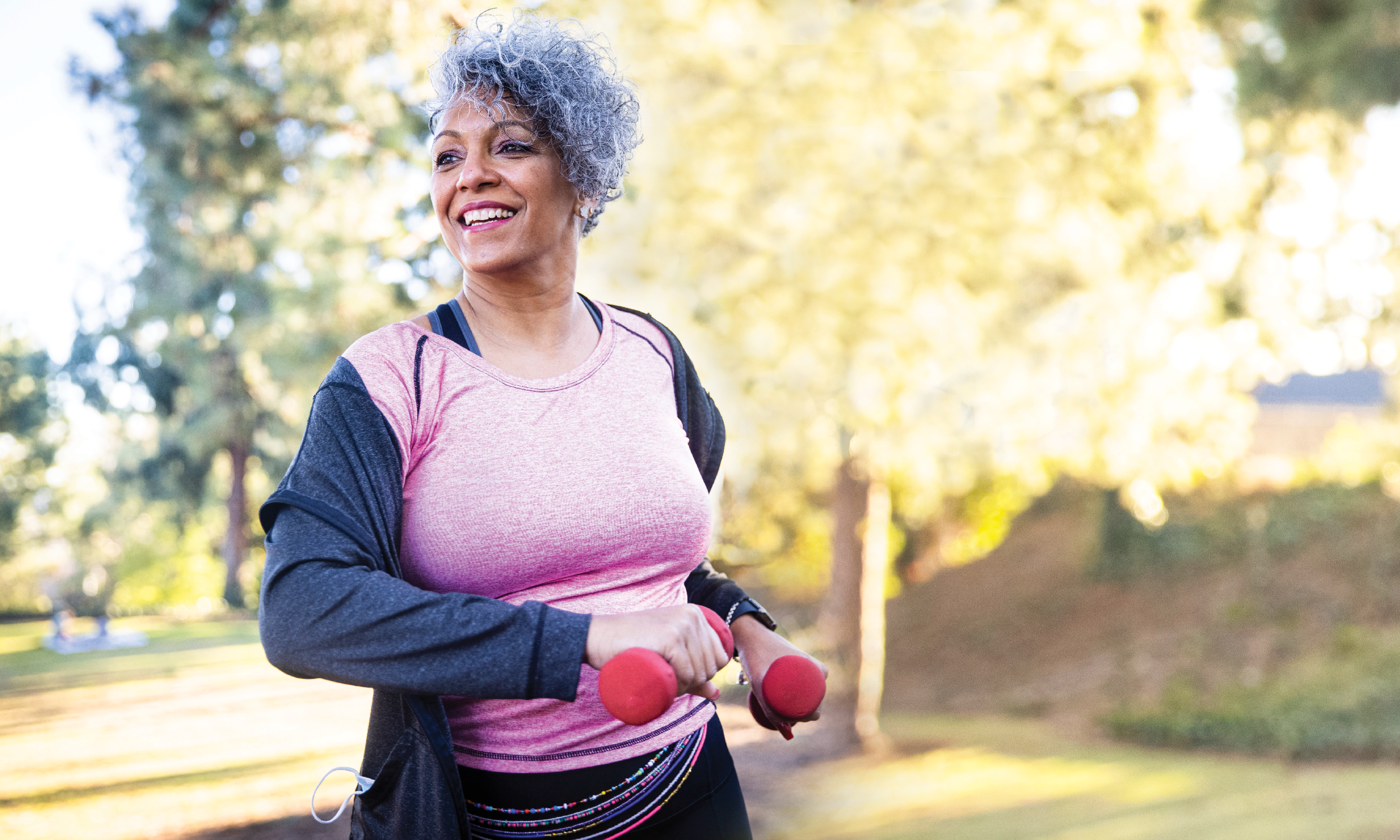
A new study showed that getting fit in middle age could prevent heart disease. Researchers at the University of Texas Southwestern Medical Center studied 9,050 men and women with an average age of 48 who were given two fitness tests eight years apart. Results showed that those who improved their fitness routine were at lower risk for heart failure later in life.

“People who weren’t fit at the start of the study were at higher risk for heart failure after age 65,” Ambarish Pandey, M.D., lead author of the study and an internal medicine resident at the University of Texas Southwestern Medical Center in Dallas, told the American Heart Association. “However, those who improved their fitness reduced their heart failure risk, compared to those who continued to have a low fitness level eight years later.”

Heart failure affects more than 5.1 million Americans, according to the American Heart Association, and it could cause the individual to require long-term home care. Getting fit later in life is not only beneficial to your heart health, it can also prevent the onset of other illnesses such as dementia, cancer and diabetes. With lower blood pressure and cholesterol, you can lead a longer, healthier life.

Posted in Aging, Family Caregivers, Health, Heart, Helpful Tips | Tagged , , , , | Leave a comment

Reducing Arthritis Pain Through Nutrition

Arthritis is among the most common conditions facing older adults, with approximately one in five seniors experiencing symptoms. The pain and inflammation associated with arthritis can certainly be disruptive, but personal care providers can help seniors reduce some of it by focusing on preparing some specific foods.

Omega-3 fatty acids are one of the healthiest nutrients and should definitely be included in an arthritis sufferers’ diet. The key rests in omega-3′s anti-inflammatory capabilities, which can halt the erosion in the cartilage that causes pain and discomfort. When looking at meal preparation, senior care providers should include foods like salmon, flaxseed and walnuts.

Antioxidants are also a key part of healthy aging, and there are a number of ways home care providers can help ensure their patients get enough of these helpful nutrients. For instance, vitamin C is crucial in the production of collagen, which can reduce pain in bones and cartilage. Meanwhile, carotenes, which are found in a wide variety of vegetables, can reduce the risk of certain inflammation-related disorder.

A healthy diet can help facilitate healthy aging in a wide variety of ways, and reducing the discomfort caused by arthritis is among the most important.

Posted in arthritis, caregiving, Health, pain | Tagged , , , | Leave a comment

The Training Gap for Family Caregivers

A recent study from the United Hospital Fund and the AARP Public Policy Institute raised some eyebrows when it revealed that approximately 46 percent of family caregivers perform some medical or nursing task around the house. Now, new information is coming to light that suggests there may not be enough training available to family members, The New York Times reports.

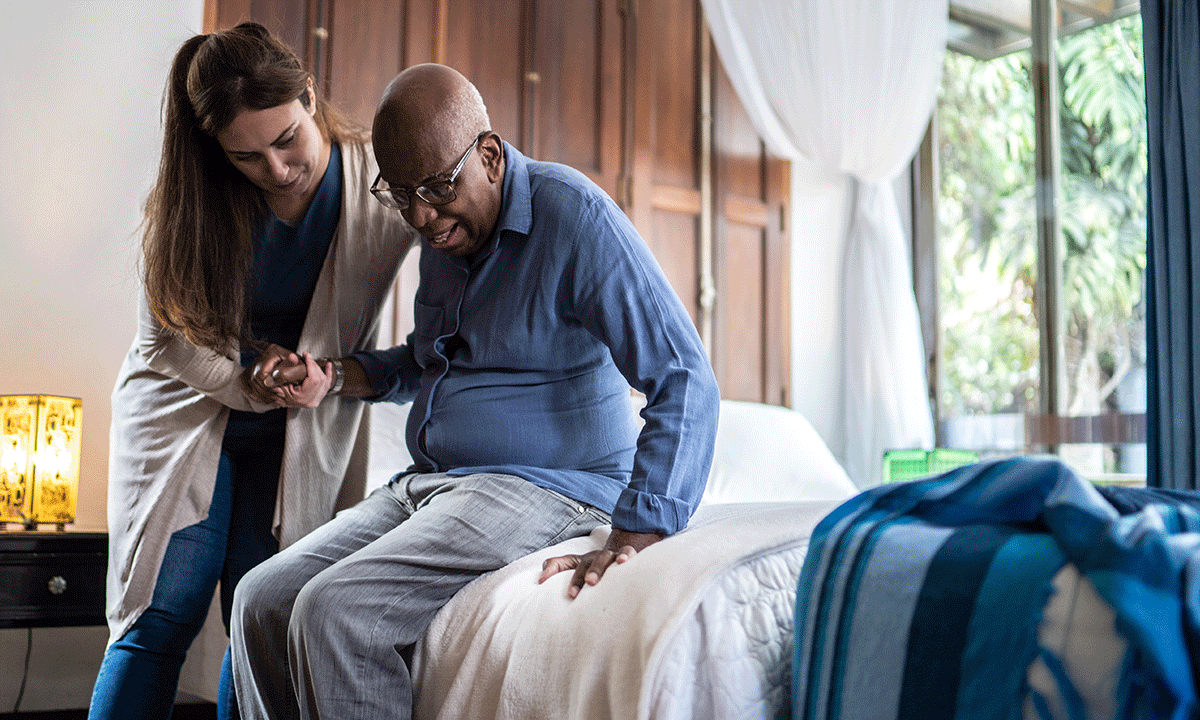
Currently, much of the training for family members providing home care is focused on activities related to daily living. While this can provide them with the knowledge to assist their loved ones with tasks such as bathing or getting dressed, when conditions necessitate more attention – such as Parkinson’s or multiple sclerosis – it may not be enough.

Experts say the best thing for family caregivers to do is to reach out to medical professionals. It may be an uncomfortable conversation at first, but asking about how to correctly perform certain duties can be a big help, the Times advises.

In some instances, it is best to enlist the help of professional home care providers. They can help fill the knowledge gaps and play an important role in reducing caregiver burnout. This is especially true in the case of chronic conditions that may have made an elderly loved one more frail such as heart failure or stroke.

Posted in Aging, Caregivers, caregiving, Family Caregivers | Tagged , , , , | Leave a comment

Tomatoes May Lower Stroke Risk

Eating fruits and vegetables is the cornerstone of a healthy diet, and the results of a new study offer some insight into why that is. Researchers from Finland found that a chemical commonly found in tomatoes can significantly lower the risk of stroke.

The study, published in the journal Neurology, measured the blood levels of the chemical lycopene in more than 1,000 men at the beginning of the trials. Then, researchers split the group in half depending on the lycopene levels and tracked their health over the course of 12 years. By the end of the study, more than twice as many participants in the low-level group suffered a stroke.

“The results support the recommendation that people get more than five servings of fruits and vegetables a day, which would likely lead to a major reduction in the number of strokes worldwide, according to previous research,” said study author Dr. Jouni Karppi.

Researchers believe lycopene offers benefits because the antioxidant can reduce inflammation and lower the risk of blood clots. Senior care providers should take note of the findings and consider adding foods like tomatoes, red peppers and watermelon to their meal preparation schedule.

Posted in Health, Stroke | Tagged , , , , , , , , | Leave a comment

Balancing Work and Caregiving

Whether it be an elderly loved one managing a chronic condition or a spouse going through cancer treatment, caring for a relative is certainly stressful. This is especially true for anyone who has tried to balance caregiving with working a full-time job. Though difficult, there are a variety of ways family members can make sure their loved ones are taken care of while still maintaining their professional life.

The first thing to do is to look at what workplace protections are available. Under the Family and Medical Leave Act, employees are entitled to take up to 12 weeks of unpaid leave from their job without fear of losing their position upon their return. While that’s a federal law, each individual company could have additional policies, so it’s important for workers to know exactly what they can do with regards to time off, or perhaps utilize the ability to work from home.

In a similar vein, caregivers need to be upfront about their situation with their managers. The higher ups are likely to be more understanding if they are aware one of their employees is helping their spouse recover from surgery rather than just thinking they are taking time off from work for no reason. It’s important to maintain a clear line of communication so there is no confusion.

However, sometimes work can be a respite from the emotional toll that caregiving takes, but some people may not want, or be able to, leave the care of a loved one in the hands of a friend or family member. In this case, professional care providers or home health aides are the best bet. Even if it’s just once or twice a week, enlisting the help of a professional can allow caregivers to head into work.

Juggling caregiving and work can be emotionally taxing as well, and it dramatically raises the risk of caregiver burnout. As such, it’s important for caregivers to recognize the importance of managing their stress and to be aware of the resources they have at their disposal.
Support groups are a good place to start, because members are often familiar with the challenges faced by caregivers who have to work as  well. It’s also important to set aside time for oneself. Even if it’s just 30 minutes every day to go for a walk, it can make a big difference.

Posted in Caregivers, caregiving, Companionship, Family Caregivers, Health, Helpful Tips, Home Care, Independence, Seniors | Tagged , , , | Leave a comment

Peppers May Lower Parkinson’s Risk

A new study from the Annals of Neurology, a journal of the American Neurological Association and Child Neurology Society, could help those who may require Parkinson’s care in the future. The study reported that peppers may hold the key to preventing Parkinson’s disease. Scientists found that the benefits of peppers may actually lie in nicotine, which comes from Solanaceae, a flowering plant family with some species producing foods that are edible sources of nicotine, including peppers and tomatoes.

Researchers found that people who ate vegetables from the Solanaceae family lowered their risk of Parkinson’s disease by about 19 percent compared with those who did not eat these vegetables. The results indicated that those who had no prior tobacco use experienced the best results. Furthermore, people who ate peppers five to six times a week reduced their risk of Parkinson’s by about 50 percent compared with those who ate them less than once a week.

“Our study is the first to investigate dietary nicotine and risk of developing Parkinson’s disease,” Searles Nielsen, a researcher in the department of environmental and occupational health sciences at the University of Washington Seattle, said. “Similar to the many studies that indicate tobacco use might reduce risk of Parkinson’s, our findings also suggest a protective effect from nicotine, or perhaps a similar but less toxic chemical in peppers and tobacco.”

Posted in Health, Helpful Tips, Parkinsons | Tagged , , , , , | Leave a comment

Outdoor Activities for the Elderly

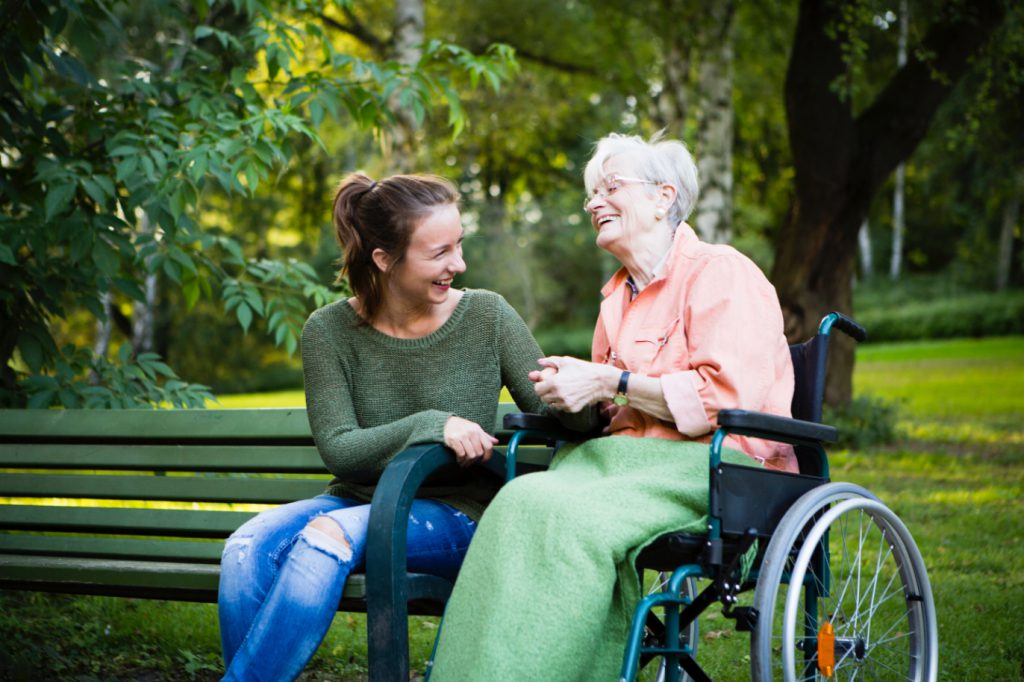
Enjoying the outdoors during the spring and summer months is important for people of all ages. Although elders may have limited mobility, it is important that those receiving senior care get outside for the mood-boosting effects that go along with it. Studies also show that getting outside can prevent sleep disorders and chronic pain, according to Agingcare.com.

For those interested in outdoor activities, there are plenty of ways to stimulate the mind and body, depending on the amount of mobility that the elder in care may have. Take a look at some of the ways to get some fresh air without worrying about range of motion:

Gardening
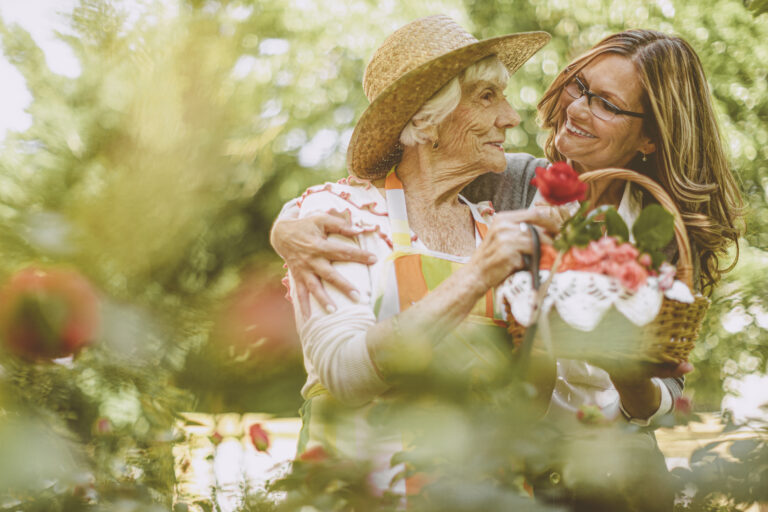
Gardening is a very low-impact way to get outside. Although the first stages of gardening may be strenuous, tending to an in-bloom garden can be soothing and peaceful. Those who have senior care can enlist the help of someone for the tough parts of gardening, and then enjoy the new plants all season long.

Craft shows and markets
Head out to a local craft show or farmers market for sightseeing. This can spark conversation between vendors and seniors, as well as inspire new hobbies and activities.

Sitting near a window or on a porch
Spending time near an open window or reading a book on a private deck are other ways to enjoy the outdoors without having to travel far. For those who enjoy the comfort of their own home, this is a great alternative.

Posted in Aging, Alzheimers and Memory Care, Caregivers, caregiving, Companionship, Exercise, Family Caregivers, Health, Helpful Tips, Home Care, Seniors | Tagged , , , , , , | Leave a comment

Encouraging Exercise for Arthritis Patients

Staying physically active is one of the biggest challenges for seniors living with arthritis. Although exercise can help reduce the symptoms, it can be difficult to find the motivation to move due to the pain and stiffness associated with the condition. However, senior care providers can encourage older adults to try certain activities that are well-suited to those living with arthritis.

The level of impact is one of the first things to consider when crafting an exercise regimen for seniors with arthritis. The painful symptoms can make certain options, such as jogging or walking, more difficult. However, low-impact exercises, including swimming, water aerobics and stationary cycling, are all better choices. Additionally, practices such as Tai Chi and yoga have proven to improve balance and flexibility.

While senior care providers can offer certain exercises, they also have to work on encouraging their patients to follow the regimen. This can be a challenge, but the best way to overcome any resistance is to start slow. Building from several minutes a day to a more rigorous routine can make seniors more likely to enjoy staying active.

Perhaps most importantly, seniors with arthritis need to make a point to have some variety. Doing the same exercise over and over can cause injury, so it’s best to mix things up now and then. Not only that, but a varied program will help reduce any boredom.

Posted in Aging, arthritis, caregiving, Exercise, Helpful Tips, Home Care, pain, Resources, Seniors | Tagged , , , , | Leave a comment

The Side Effects of Rheumatoid Arthritis

Much like other forms of the condition, rheumatoid arthritis brings pain and discomfort with it, but the disease also carries many other serious side effects. It’s important for family members and care providers to recognize symptoms that could lead to more serious complications.

Shortness of breath and chest pain are at the top of the list. Rheumatoid arthritis affects blood vessels and the heart, which puts seniors with the condition at a greater risk for cardiovascular diseases.

The inflammation associated with RA can also be troublesome, so it’s important for care providers and family members to be on the lookout for seniors reporting any numbness or tingling in their extremities, which could be indicative of nerve damage.

Perhaps most importantly, care providers should be on the lookout for signs of infection such as fever, unexplained coughing or areas of the skin being red and inflamed. Any suspicion of an infection should head to a doctor immediately.
It’s also critical to be aware of the potential side effects of common drug treatments. For instance, commonly used non-steroidal anti-inflammatory drugs (NSAIDs) can cause heart problems and liver and kidney damage.

Posted in Aging, arthritis, caregiving, Health, Helpful Tips, Home Care, pain, Resources | Tagged , , , , , , , | Leave a comment

Knowing the Variations of Arthritis

Arthritis is one of the most common conditions facing older adults, but there are many different variations to take into consideration. Understanding the difference between rheumatoid arthritis (RA) and the more common osteoarthritis can with pain management.

The biggest difference between RA and osteoarthritis is the cause. While the pain from osteoarthritis is caused by wear and tear on aging bone and joints, RA is in fact an autoimmune disease that affects the lining of the joints. As a result, RA is often responsible for painful swelling that can cause joint damage and bone erosion, according to the Mayo Clinic.

Along with the cause, RA differs from osteoarthritis because it can come with a host of related health issues as well. Specifically, sometimes older adults who suffer from RA experience fever and fatigue along with the traditional symptoms.

While the symptoms and causes may be considerably different, experts often suggest the same routes of treatment for the pain. For instance, gentle exercise may help improve range of motion and relieve some symptoms, and heat therapies have proven to be helpful as well.

Being familiar with both RA and osteoarthritis is important for family and professional caregivers. According to the Centers for Disease Control and Prevention, approximately 50 million Americans have self-reported, doctor diagnosed arthritis.

Posted in Aging, arthritis, caregiving, Exercise, Health, Helpful Tips | Tagged , , , , , , , , , | Leave a comment